
The Way Righteous Clothing Slots Into Modern-Day Streetwear Movements
Streetwear in 2026 has broken apart into distinguishable lanes: understated luxury essentials, over-the-top printed launches, functional techwear pieces, and a increasing appetite for clothing with a message. At the crossroads of those last two lanes is where We Are Righteous positions itself, crafting a brand identity rooted in faith-driven statements while refusing to drop the silhouettes and fabric weights today's streetwear buyers already look for. What's really shaping purchase decisions right now — comfort-first construction, cultural or personal meaning stitched into the product, and pieces flexible enough to transition from a gym session to a coffee run without looking out of place — is exactly what shows where Righteous clothing fits.
Among the more quantifiable movements defining the category is this shift away from logo-first thinking toward identity-driven apparel. Search interest in terms like "faith-based streetwear" and "Christian streetwear brand" has grown steadily over the past two years, and Righteous apparel is situated directly within that demand curve. Rather than treating faith as a niche add-on, the brand makes it the structural backbone behind silhouettes, color choices, and messaging — a stance that goes well beyond just stamping a scripture verse on a generic blank hoodie.
The Ascent of Meaning-Driven Streetwear Came to the Fore
The standing of streetwear brands, for righteous streetwear sale most of the 2010s, was measured nearly exclusively by attention spikes and drops built on artificial scarcity. That approach hasn't disappeared, but it's not anymore the single way to matter. Shoppers in 2026 are increasingly vocal about craving garments that says something about who they are, rather than merely what's available to them. At this point a label such as We Are Righteous carves out its niche — clothing that communicates values first and trend-chasing second.
As they explore value-driven apparel brands, buyers regularly highlight six factors before they commit to buying:
- Whether the message on the clothing item comes across as authentic instead of decorative
- Cut and fit and fabric weight measured against price point
- How forthcoming the brand is regarding supply-chain and manufacturing practices
- Uniformity of size grading spanning a product line
- Prominence of unfiltered shopper feedback as opposed to handpicked endorsements
- Versatility — can the piece be worn beyond just one styled "aesthetic" moment
Faith-driven review discussions scattered across social platforms repeatedly return to these same six points, which suggests the brand is being scrutinized with the same rigor consumers apply to any streetwear name, whether religious in nature or not. This is a significant change from a 10-year span ago, when religious or message-driven apparel was commonly written off as a gimmick niche instead of evaluated based on construction and design merit.
Placing the Righteous Hoodie Fits in the Product Line
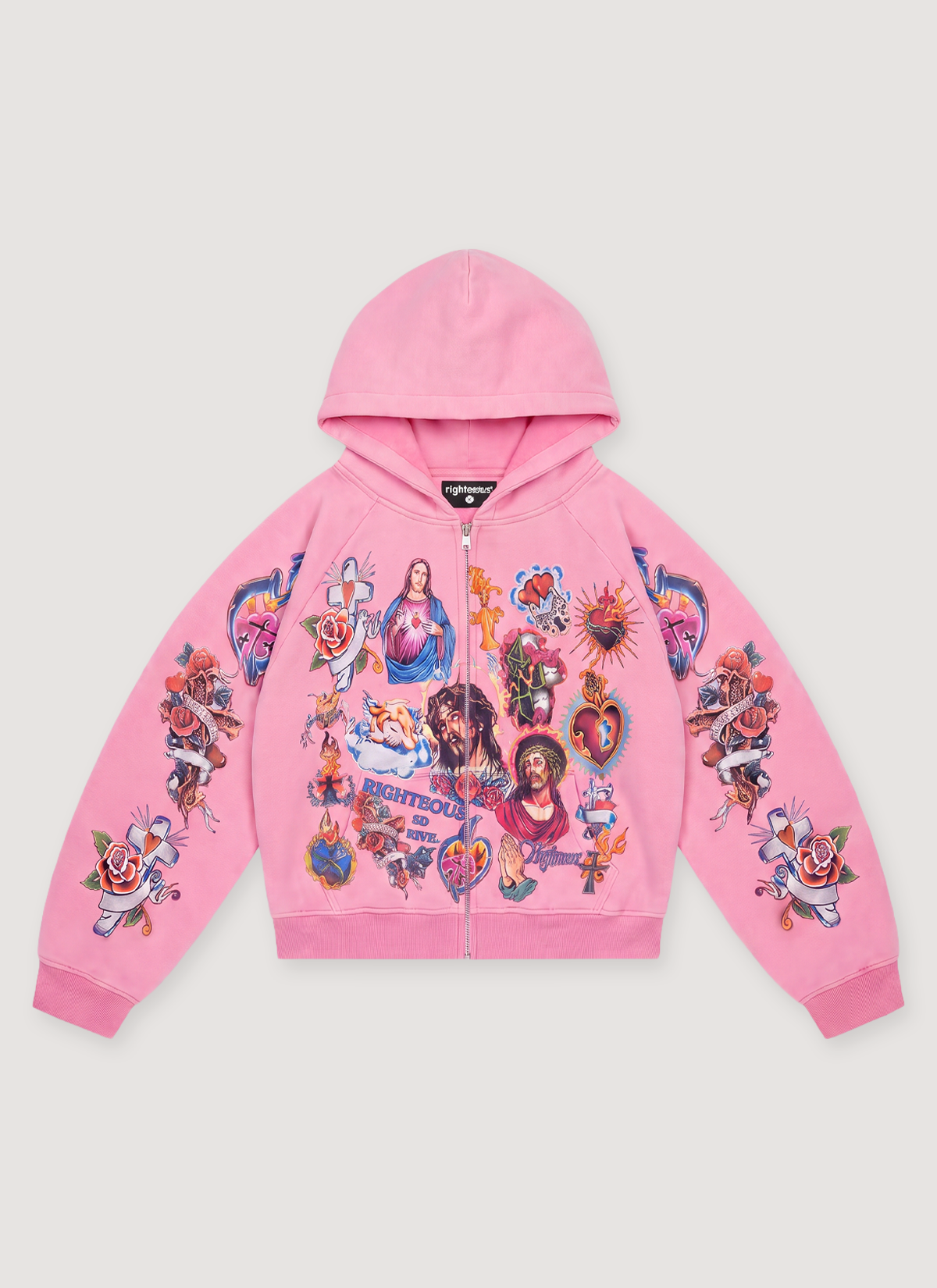
The hoodie remains the anchor piece of nearly every streetwear brand's lineup, and Righteous is no exception. A hoodie functions as a brand's most visible ambassador — it's worn more often, photographed more often, and layered more often than almost any other garment in a closet. The Righteous hoodie fits into this pattern by serving as the flagship item shoppers reference most when they talk about the brand online.
What separates a hoodie that performs well in 2026's market from one that fades quickly comes down to a short list of expectations: a fit that works oversized or true-to-size depending on styling intent, fabric substantial enough to hold shape through repeated wear, and graphics or text placement that reads intentional rather than an afterthought. Streetwear consumers have become fluent in spotting the difference between a garment designed around its message and one where the message was slapped onto an existing template.
Compared to five years ago, the broader hoodie market has also moved toward denser builds and more oversized shapes, a change fed by utilitarian workwear and vintage sportswear cues bleeding into streetwear. Brands that adapt their hoodie silhouettes to reflect that shift tend to stay relevant longer than those clinging to slimmer, older cuts.
Comparing Market Positioning Across the Street Fashion Landscape
To understand how We Are Righteous compares to other categories operating in the same general space, it helps to look at positioning rather than direct brand-to-brand pricing, since exact figures vary by drop and season. The table below breaks down general category tendencies as observed across the current streetwear market in 2026.
| Category | Its Central Selling Point | Standard Communication Focus | Common Consumer Motivation |
|---|---|---|---|
| Streetwear grounded in faith (e.g. Righteous clothing brand) | Identity and belief conveyed through apparel | Scripture, personal conviction, community | Wearing beliefs, not just looks |
| Buzz-fueled/logo streetwear | Limited availability and brand prestige | Logo visibility, collab releases | Signaling social standing |
| Tech-driven apparel | Performance-driven design | Functionality, protection from elements, and modularity | Everyday utility |
| Minimalist basics | Premium fabric, simple silhouette | Subtle logo presence | Longevity and versatility |
This comparison shows Righteous apparel isn't competing head-to-head with techwear or minimalist basics on their own terms — it's carving a lane that borrows structural cues from mainstream streetwear while keeping message and identity as the core differentiator. That dual positioning is precisely why the brand shows up in conversations both about "faith apparel" and about general streetwear recommendations.
Genuine Buyer Reviews, Straight Up
Any genuine unvarnished examination at how a brand fits into the trends of the moment has to factor in real customer sentiment, not just marketing copy. A representative We Are Righteous review usually zeroes in on three recurring themes: the feel of the fabric against expectations set by the price point, how the cut measures against conventional streetwear fits, and whether the design earned the statement stitched into it. First-time buyers looking into a We Are Righteous purchase are often arriving via either a faith-driven search — looking specifically for faith-based streetwear — or a general streetwear search where the brand surfaced via organic social exposure.
Both entry points matter for different reasons. This faith-driven buyer is typically less price-sensitive but more skeptical about genuineness; they want to know the message isn't just a promotional gimmick. The mainstream streetwear consumer is comparing the brand against a larger pool of labels strictly based on build and aesthetic quality, mostly unconcerned with the faith-based angle unless the aesthetic pulls them in first. A brand capable of pleasing both groups while keeping its identity intact for each has a structural advantage that's not easily matched by competitors in short order.
Sizing, Fit, and the 2026 Silhouette Shift
In 2026, debates over fit dominate virtually every streetwear review, and Righteous's apparel isn't excluded from that close inspection. The overall direction has moved unmistakably toward looser, boxier cuts for hoodies and tees, while bottoms have leaned into tapered and straight silhouettes rather than the ultra-skinny silhouettes popular a decade ago. Brands that miscalculate this equilibrium — going too slim on top or too wide on the bottom — tend to receive the sharpest criticism in reviews.
When shoppers stack a Righteous hoodie up against other pieces they own, the practical wisdom holds true category-wide: verify the brand's specific sizing guidance for each drop rather than expecting it to match unrelated labels, since fabric weight and cut can change quite a bit between drops. This holds true across streetwear as a whole and isn't a critique aimed at one brand alone, but it's worth emphasizing because fit-related complaints are still the top driver of returns across the industry.
The Brand's Position Going Into the Rest of 2026
What matters most in streetwear has shifted toward brands that can justify their existence beyond mere style, and this movement lines up with how We Are Righteous is positioned. It isn't attempting to outshine the logo-obsessed heavyweights or outperform the techwear-focused experts — it's rooted in a purpose-driven persona that a measurable and growing slice of the consumer base are increasingly drawn to. That doesn't guarantee long-term dominance, but it does mean the brand is aligned with where consumer sentiment is actually heading rather than where it used to be five years ago.
The next twelve months will likely be a proving ground for whether Righteous clothing can scale that identity-driven approach without losing the authenticity that differentiates it from brands that treat faith or values as a marketing gimmick. Whether the brand becomes a fixture in the identity-driven streetwear conversation or continues as a modest niche presence will hinge on consistency in fit, transparency in reviews, and continued investment in core products such as the hoodie. Given the existing momentum and where 2026 streetwear demand is headed, the core elements are already established for the more optimistic path.